
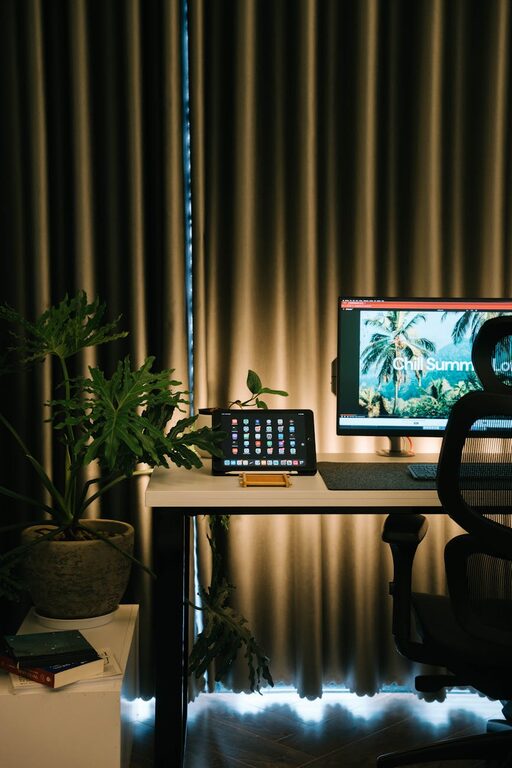
Creating a relaxing home workspace is essential for maintaining focus, reducing stress, and boosting productivity. Whether you are working remotely full-time or occasionally, the environment around you plays a significant role in how you perform and feel. Here are practical tips to help you set up a workspace that supports comfort and efficiency.
1. Choose the Right Location
The first step is selecting a spot that is quiet, well-lit, and free from distractions.
– Natural Light: Position your desk near a window to maximize natural light. Sunlight helps regulate your body clock and elevate your mood.
– Minimal Traffic: Pick a space away from high-traffic areas like the kitchen or living room to minimize interruptions.
– Comfortable Temperature: Make sure the area is easy to keep at a comfortable temperature. Being too hot or cold can negatively affect concentration.
2. Invest in Comfortable Furniture
Comfortable and supportive furniture makes a huge difference in your ability to focus and avoid discomfort.
– Ergonomic Chair: Choose a chair that supports your lower back and encourages good posture.
– Adjustable Desk: If possible, use a desk that allows you to alternate between sitting and standing.
– Proper Desk Size: Ensure your desk has enough space for your computer, documents, and other essentials without feeling cramped.
3. Organize Your Space for Efficiency
An organized workspace reduces stress and helps you stay on task.
– Declutter Regularly: Keep only what you need on your desk. Store less frequently used items in drawers or shelves.
– Use Storage Solutions: Drawer organizers, file holders, and baskets can help keep your items tidy.
– Cable Management: Use clips or cable ties to prevent cords from tangling and creating a messy look.
4. Add Personal Touches
Adding small personal items to your workspace can make the environment more inviting.
– Plants: Indoor plants not only improve air quality but also create a calming atmosphere.
– Artwork or Photos: Choose images that inspire or relax you without being distracting.
– Colors: Use soothing colors like blues, greens, or pastels for your decor and accessories.
5. Control Lighting Effectively
Good lighting supports productivity and prevents eye strain.
– Adjustable Desk Lamp: Use a lamp with adjustable brightness to complement natural light.
– Avoid Glare: Position screens to avoid glare from windows or overhead lights.
– Warm Light: In the evening, use warmer light bulbs to help your body wind down.
6. Minimize Noise Distractions
Noise can be a major disruptor when working from home, so find ways to control it.
– Noise-Canceling Headphones: These can block out background noise effectively.
– White Noise Machines or Apps: These provide a consistent sound environment that can mask sudden noises.
– Soundproofing: Add rugs, curtains, or acoustic panels to help absorb sound.
7. Plan Regular Breaks
Even in a well-designed space, it’s important to give yourself breaks to stay refreshed.
– Pomodoro Technique: Work in focused 25-minute intervals followed by 5-minute breaks.
– Stretch or Move: Use breaks to stand, stretch, or take a short walk.
– Step Away from Screens: Try to spend break time away from digital devices to rest your eyes.
8. Stay Hydrated and Healthy
Your workspace should encourage healthy habits.
– Keep Water Nearby: Staying hydrated supports overall wellness and concentration.
– Healthy Snacks: Have nutritious snacks accessible to maintain energy without heavy food.
– Maintain Cleanliness: Regularly clean your workspace to keep it fresh and inviting.
9. Customize Technology Setup
Technology should serve your workflow seamlessly.
– Multiple Monitors: If your work involves multitasking, additional screens can improve efficiency.
– Ergonomic Accessories: Invest in keyboards, mice, and stands that reduce strain.
– Fast Internet Connection: Reliable internet avoids frustration and downtime.
10. Evaluate and Adjust
Your ideal workspace may change over time.
– Experiment: Try different setups to find what works best.
– Seek Feedback: Ask family members for suggestions or observe which areas cause distractions.
– Stay Flexible: Adapt your environment as your needs evolve.
—
By thoughtfully designing your home workspace with these tips, you can create a peaceful and productive area that supports your work and well-being. Taking the time to organize and personalize your space helps you stay comfortable, focused, and motivated every day.