
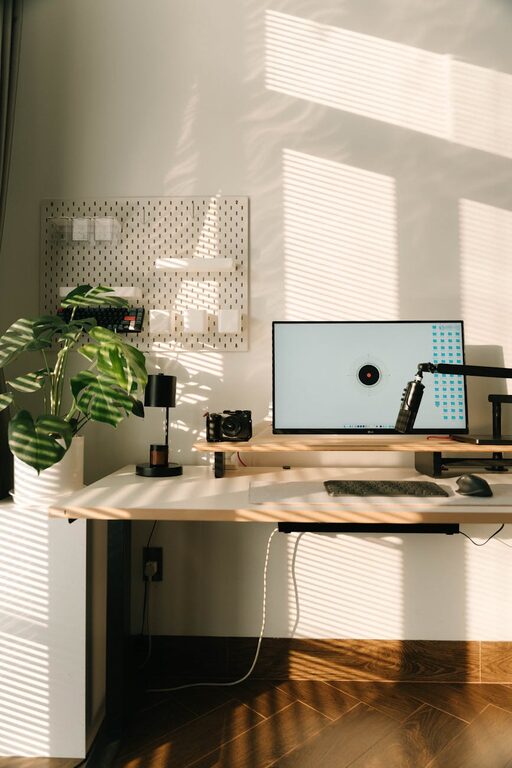
Creating a relaxing home workspace is essential for maintaining productivity and comfort during work hours. Whether you work remotely full-time or occasionally from home, the environment you set up can significantly impact your focus, mood, and efficiency. In this blog post, we will explore practical tips to help you design a calming workspace that encourages a productive mindset and reduces stress.
Choose the Right Location
Selecting the perfect spot for your workspace is the foundation of a comfortable and efficient home office. Ideally, pick a quiet area away from distractions such as household noise, television, or high-traffic zones.
– If possible, dedicate a separate room solely for work. This separation makes it easier to “leave work” at the end of the day.
– Use natural light to your advantage by positioning your desk near windows. Sunlight has been shown to boost mood and energy levels.
– Consider noise levels: If you cannot avoid unavoidable noises, think about adding soundproofing or using noise-canceling headphones.
Invest in Ergonomic Furniture
Comfort is key when setting up a workspace that you’ll spend hours in. Poor seating and desk arrangements can lead to discomfort and even health problems over time.
– Choose an ergonomic office chair with adjustable height and lumbar support to encourage good posture.
– Make sure your desk height allows your elbows to rest comfortably at about a 90-degree angle.
– Position your computer monitor at eye level to prevent neck strain.
Keep the Space Organized
A cluttered workspace can negatively affect your concentration. Keeping your area neat helps reduce stress and improves efficiency.
– Use trays, drawers, or desk organizers to keep stationery and documents in place.
– Regularly declutter your desk at the end of each day to maintain a fresh start tomorrow.
– Manage cables with clips or sleeves to avoid tangling and distractions.
Personalize Your Workspace
Adding personal touches can make your work area feel welcoming and inspire creativity without becoming a source of distraction.
– Incorporate plants to bring in a sense of calm and improve air quality.
– Hang a few motivating or calming art pieces or photos that brighten your mood.
– Select soothing colors for your workspace décor, such as light blues, greens, or soft neutrals.
Optimize Lighting
Proper lighting reduces eye strain and keeps your energy levels stable.
– Use a combination of natural light and adjustable artificial light. Desk lamps with warm light are ideal for evening work.
– Avoid harsh overhead lights or glare on your screen. Position lamps to the side of your workspace.
Create Boundaries Between Work and Relaxation
Separating work zones from leisure zones helps maintain work-life balance and allows your mind to recharge.
– If sharing a space, use room dividers or screens to define your office area.
– Establish specific work hours and stick to them to give yourself clear breaks.
– At the end of the workday, close your laptop and clear the workspace if possible.
Incorporate Movement and Break Areas
Sitting for long periods can reduce productivity and cause discomfort.
– Take short breaks every hour to stretch or walk around.
– Consider using a standing desk or a balance ball chair occasionally for variety.
– If space allows, create a small area with comfortable seating to relax during longer breaks.
Maintain Good Air Quality
Fresh air improves concentration and overall well-being.
– Keep windows open when weather permits to circulate fresh air.
– Use air purifiers or humidifiers if your home tends to be dry or stuffy.
Use Technology Wisely
Technology can either boost productivity or become a distraction, so it’s important to set up thoughtfully.
– Invest in reliable equipment such as a fast computer, headset, and a good internet connection.
– Use apps or tools that help you stay organized, like to-do lists, calendars, or time management software.
– Limit notifications or non-work-related alerts during focused work sessions.
Final Thoughts
Designing a relaxing and productive home workspace does not require a complete home makeover. By focusing on comfort, organization, lighting, and personal touches, you can create a space that supports your best work while promoting well-being. Remember, the goal is to build an environment where you can feel calm, focused, and motivated each day.
With these simple tips, your home workspace can become a place where productivity and relaxation go hand-in-hand, helping you achieve your work goals without unnecessary stress.